Image research · CODEMODEAPPS EDITORIAL
Read a historical card scan without confusing it with your copy
Use visible captions, issue notes and independent front/back provenance to make a reference image useful without overclaiming what it proves.
Published October 8, 2026 · 4 min read
Begin with the complete reference entry
An image can help you understand a card’s design, but the surrounding entry tells you which issue it is meant to illustrate. Read the exact year or season, release name, number and format before comparing a candidate photograph. On CardRoster, historical scans are labeled as reference images and link to their documented source. Entries without a suitable exact scan stay text references. A nearby sport photograph is only context; it is not a substitute for the player, issue or physical card you are researching. Start with the identity, then use the image to inspect the visible evidence.
Read the printed captions before making broader inferences
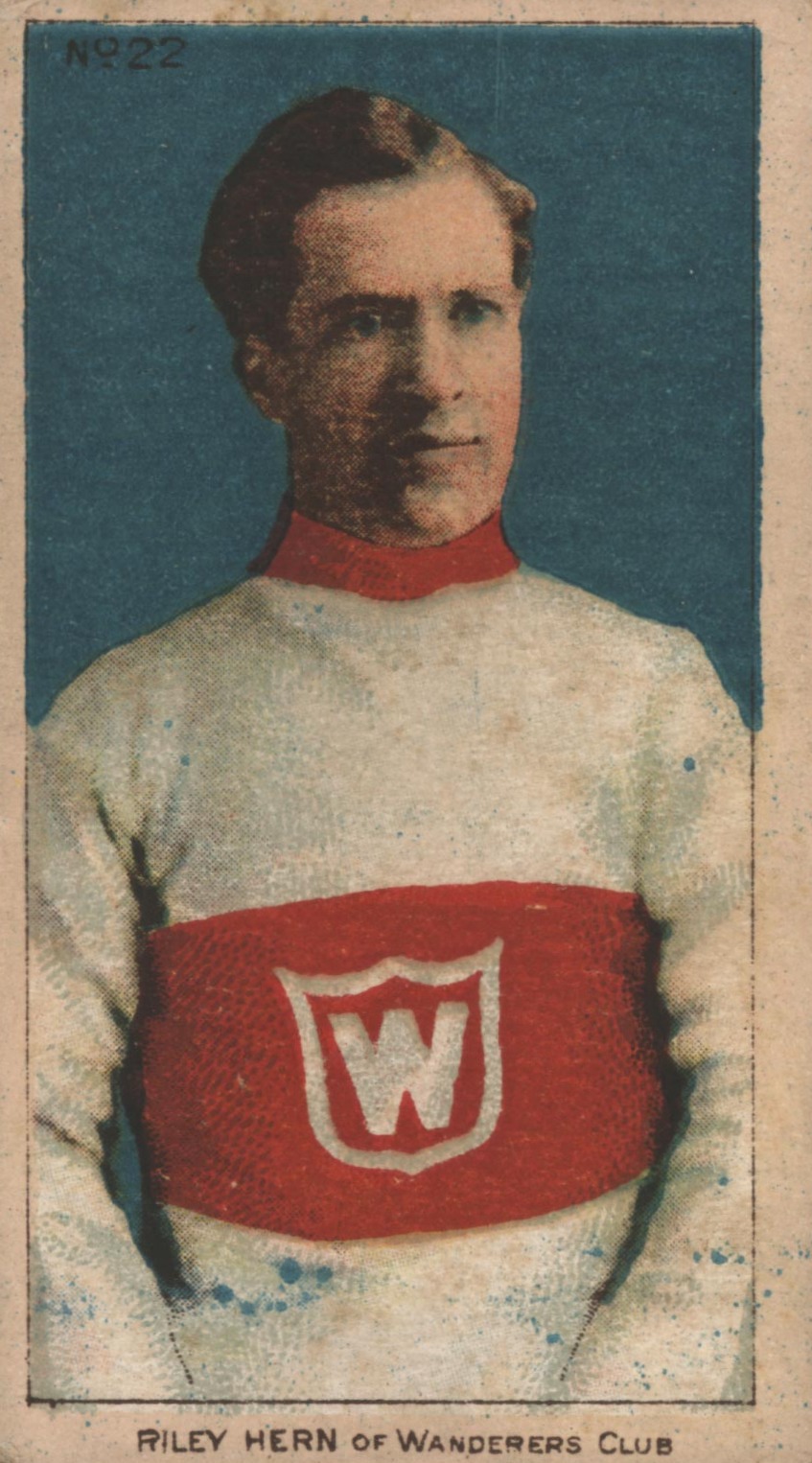
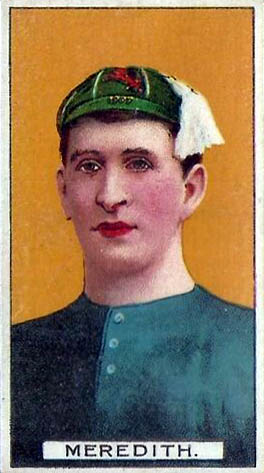
Open the full reference image and inspect the text you can actually read. Compare the printed player caption and visible number with the entry, and note any spelling difference or missing field. Our Riley Hern image visibly carries No. 22, while the selected Stanley Meredith front does not supply a card number. Do not invent a missing identifier just to make a spreadsheet column look complete. A portrait, uniform or surname may support part of an identification without settling the release or edition. Keep what is visible separate from the facts established by the linked issue source.
Examine a reverse as its own piece of evidence
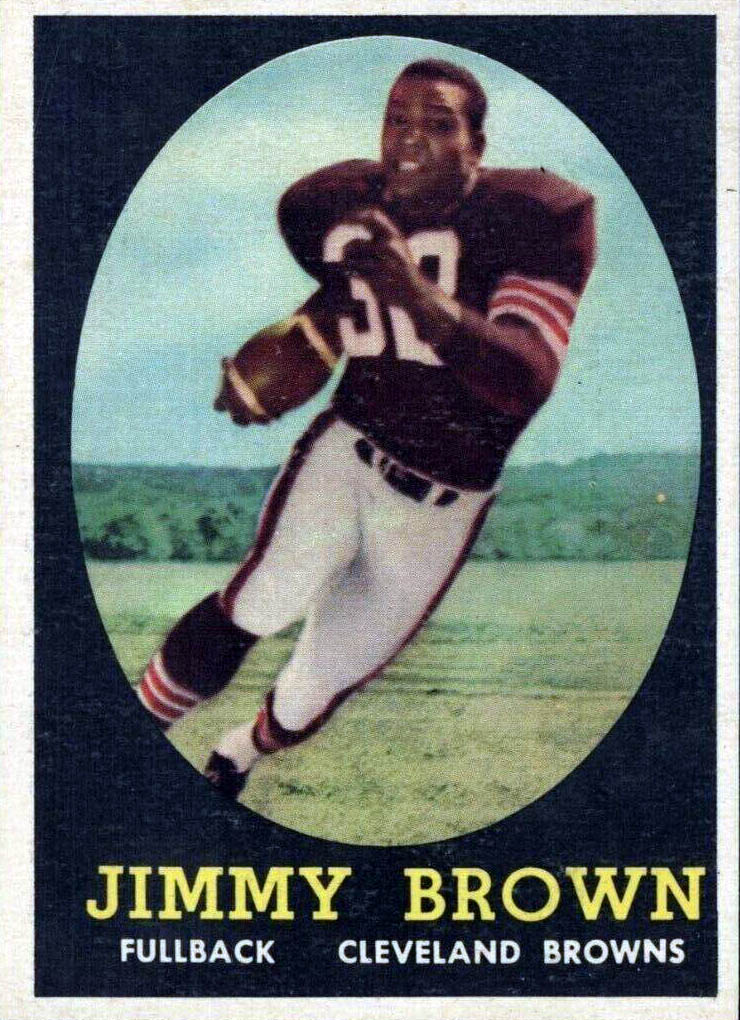
PSA’s 1958 Topps football overview describes player statistics and a trivia question on card backs. The Jim Brown entry provides a front and an independently sourced reverse that visibly carries #62. Open the reverse disclosure and read its source note. CardRoster has not established that those two scans show the same physical copy. Their availability helps illustrate the issue’s two sides, but cannot establish how a particular front and back are paired. If you are examining a candidate item, request readable photographs of that candidate’s own front and reverse rather than joining unrelated reference files into a presumed specimen.
Do not turn a front-only image into a back variant
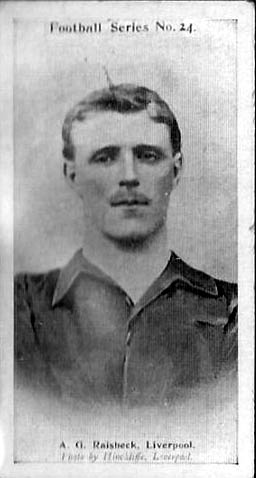
The Alex Raisbeck Wills reference illustrates the front, including Football Series No. 24 and its player caption. It does not supply a reverse. A separate auction specimen may use more specific back or printing wording, but that label should not be assigned to the front-only scan without evidence connecting it. Record the uncertainty explicitly. The same discipline applies when a release has regional printings, named finishes or later reproductions: a shared design is only one part of an edition match. Preserve the specific source’s claim and avoid using a familiar-looking front to fill fields it cannot establish.
Treat condition observations as questions, not grades
A scan may show discoloration, apparent edge wear, a border or a printing feature. Its resolution, lighting and compression can also limit what you can see. Write a question about the candidate rather than assigning it a grade based on a different reference image. Our scans do not authenticate physical cards, establish original-versus-reprint status or evaluate condition. A full-image link lets you inspect the available pixels; it does not turn those pixels into a physical examination. Keep any observations about your own item in a separate record, with photographs and dates attached to that specific copy.
Keep the image source beside the issue source
The catalog’s issue citation and the scan’s source can answer different questions. One establishes a selected release identity; the other explains where the illustration came from and which limits accompany it. Follow both when an image is central to your research. The Image credits page retains the per-file provenance and reuse notices; the detail caption identifies specimen limitations. If you suggest a correction or another scan, include the exact entry, the original image source and supporting issue evidence. A useful illustrated reference should make those connections easier to inspect, while leaving unresolved questions visible for the next researcher.